How to Choose the Best OSB Manufacturer?
Choosing the right Osb Manufacturer can determine whether a building panel performs reliably or creates problems years later. The decision should involve more than price, production capacity, or attractive packaging. Buyers need clear evidence of panel strength, moisture resistance, dimensional stability, and emissions compliance.
Dr. Mark Knaebe, a wood-products durability specialist, offers a useful principle: “Durability begins with controlling moisture.” His point applies directly to OSB selection. A responsible Osb Manufacturer should explain how wood strands are dried, blended, oriented, bonded, and pressed. Ask for current test reports, certification records, product data sheets, and batch traceability. Factory visits can reveal practical details, including clean storage areas, calibrated presses, and protected finished panels.
Experience still matters. A supplier may promise consistent quality, yet delivery records can tell a different story. Check how the manufacturer handles damaged sheets, urgent orders, and technical complaints. Talk with contractors who have used the panels through changing seasons. Their feedback may be less polished, but often more honest.
Do not ignore small warning signs. Vague answers matter. Missing documentation matters more. Even experienced buyers can focus too heavily on unit cost and overlook installation losses or moisture-related waste. That is an easy mistake.
The best Osb Manufacturer combines verified performance, stable production, responsive support, and transparent communication. The choice should fit the project’s climate, structural demands, construction schedule, and long-term risk. A careful comparison takes time, but replacing weak or unsuitable panels costs far more.
Define Your OSB Project Requirements and Performance Standards
Choosing the best OSB manufacturer begins with a clear project brief, not a glossy product sheet. Define the panel’s purpose: roof sheathing, wall framing, flooring, or workshop storage. Each use demands different strength, thickness, moisture resistance, and edge stability. Measure spans, support spacing, expected loads, and local climate before requesting quotations. Small details matter. A 11.1 mm panel may suit one assembly yet fail when joists are farther apart.
Write performance standards into the specification. Check bending strength, stiffness, internal bond, thickness tolerance, and formaldehyde emissions. For humid areas, ask for documented moisture-performance classifications and swelling limits. Request current test reports, certification scope, production dates, and traceability records. Do not accept “water resistant” as a complete technical claim. Ask how panels are tested, sampled, stored, and packaged. Start with evidence.
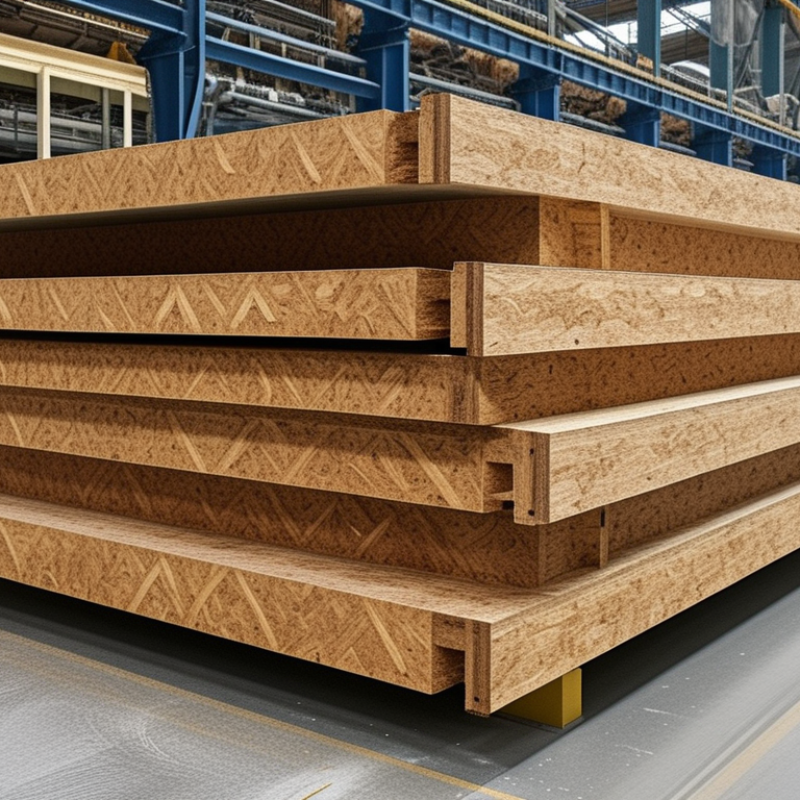
Use samples to inspect surface uniformity, density, machining quality, and tongue-and-groove fit. Place samples in the actual installation environment when practical. Test the fit. Observe the edges after handling. A practical site lesson is that neat-looking panels can reveal weak edges after repeated cutting. That possibility deserves attention. Factory audits and installer feedback can expose problems that laboratory figures miss. Still, no test predicts every site condition. Compare technical evidence with delivery consistency, complaint handling, and batch stability before approving a manufacturer.
Assess Manufacturer Certifications, Experience, and Production Facilities
Choosing the best OSB manufacturer requires more than comparing prices. Certifications provide an important starting point. Check whether the manufacturer holds relevant quality, environmental, and product certifications. Verify their certificate numbers, issuing bodies, and expiration dates. A certificate is useful, but it does not prove perfect production.
Experience deserves close attention. Ask how long the manufacturer has produced OSB for construction, furniture, or packaging applications. Review technical data, test reports, and references from comparable projects. Experienced teams usually understand panel density, moisture resistance, bonding performance, and thickness control. They should explain these details clearly. Avoid vague answers.
Production facilities reveal daily reliability. Look for modern pressing equipment, controlled resin mixing, calibrated testing laboratories, and organized raw material storage. Check whether each batch can be traced from wood strands to finished panels. Ask how workers manage moisture changes, equipment maintenance, and quality failures. Small details matter. A polished factory tour can still hide weak batch discipline. Independent inspections may expose problems that sales documents miss. It is also reasonable to request recent production samples, not only selected showroom pieces. Some suppliers may resist this request, and that resistance deserves reflection. A strong manufacturer welcomes verification and admits where improvement remains necessary.
Evaluate Manufacturing Capacity, Lead Times, and Supply Reliability
How to Choose the Best OSB Manufacturer?
An OSB manufacturer should prove its real production capacity, not only advertise large annual figures. Capacity is more than equipment size. Ask about active production lines, panel thickness ranges, shift patterns, and recent utilization rates. Review press schedules and maintenance records when available. A factory producing near its limit may struggle with urgent orders. This distinction matters.
Lead times need specific measurement. Request a written schedule covering order confirmation, production, packing, and dispatch. Compare normal lead times with peak-season performance. Then test the promise with a small trial order. A supplier that answers vaguely may create planning problems later. Still, estimates are never perfect. Weather, maintenance, and transport delays can affect delivery dates.
Supply reliability depends on deeper controls. Check raw-material sourcing, inventory policies, quality inspections, and backup production plans. Ask how the manufacturer handles resin shortages or equipment failure. Look for batch records and consistent technical data. Confirm packaging strength before long-distance shipment. Speak with recent customers if possible. References may sound positive but lack useful detail. One uncomfortable question helps: what failed during the last difficult shipment? A careful manufacturer should answer clearly, without pretending to be flawless.
How to Choose the Best OSB Manufacturer?
A practical supplier-screening model should prioritize manufacturing capacity, lead-time performance, and supply reliability. The benchmark scores below are based on common procurement thresholds: sufficient annual output, lead times of approximately 7–14 days for standard orders, and on-time delivery performance of 95% or higher.
The evaluation score combines manufacturing capacity, delivery speed, and supply reliability. Buyers should verify production records, recent delivery data, available certifications, and contingency plans before making a final decision.
Review Pricing, Communication, Logistics, and After-Sales Support
Choosing an OSB manufacturer requires more than comparing the lowest quoted price. In my purchasing experience, a reliable assessment starts with the full landed cost. Ask for panel prices, packaging, loading, insurance, and expected port charges. Confirm thickness tolerance, moisture resistance, formaldehyde class, and testing documents. A cheap offer can become expensive when rejected panels delay installation. Request a written quotation with validity dates and payment milestones. Prices can change with wood supply, but unexplained changes deserve careful questions. I once focused too heavily on unit cost and missed the cost of reinforced pallets. That mistake still influences my checklist.
Communication reveals operational discipline. Ask who handles technical questions, how quickly drawings are approved, and whether updates arrive without repeated reminders. Request production photos, batch numbers, and inspection records before dispatch. Good suppliers explain limitations instead of promising everything. Be specific about delivery: shipment window, container capacity, pallet dimensions, loading sequence, and document responsibility. A practical factory should provide a packing list that matches the cargo. Check its process for delays, damaged edges, moisture exposure, and document errors. Do not rely on one optimistic delivery date.
After-sales support matters when panels arrive with chipped corners or inconsistent surfaces. Before ordering, obtain a written claim procedure, response time, evidence requirements, and replacement policy. Ask whether remote inspection is available and who pays for verified defects. A dependable manufacturer keeps production and inspection records long enough to investigate complaints fairly. Small details matter: spare panels, clear labels, and one accountable contact reduce site disruption. Still, no supplier performs perfectly. Test a sample batch, record your acceptance standards, and review each shipment honestly.
How to Choose the Best OSB Manufacturer? - Review Pricing, Communication, Logistics, and After-Sales Support
| Evaluation Dimension |
Supplier Profile A |
Supplier Profile B |
Supplier Profile C |
Supplier Profile D |
Recommended Benchmark |
Typical OSB/3 Price
11 mm, export order |
USD 245–275/m³ |
USD 265–300/m³ |
USD 230–260/m³ |
USD 280–320/m³ |
Compare on total landed cost, not price alone |
| Minimum Order Quantity |
1 × 40-foot container |
2 × 40-foot containers |
1 × 20-foot container |
1 × 40-foot container |
MOQ should match your storage and sales plan |
| Quotation Response Time |
Within 24 hours |
Within 48 hours |
Within 12 hours |
Within 72 hours |
Within 24 hours with a complete quotation |
| Technical Communication |
Clear English; technical datasheet provided |
Good email support; limited application advice |
Dedicated export contact; video inspection available |
Basic communication; replies may require follow-up |
Confirm grade, thickness, tolerances, and test standards in writing |
| Production Lead Time |
18–25 days after deposit |
25–35 days after deposit |
15–22 days after deposit |
20–30 days after deposit |
Obtain a written production schedule and dispatch date |
| Moisture Content Control |
Factory target: 6–12% |
Factory target: 8–14% |
Factory target: 6–12% |
Factory target: 7–13% |
Request batch test records; acceptance limits depend on the applicable standard |
| Quality Documentation |
COA and packing list included |
COA available on request |
COA, photos, and pre-shipment inspection supported |
Basic packing list provided |
Require certificates, test reports, and inspection records before shipment |
| Estimated Ocean Transit |
28–38 days |
32–45 days |
25–35 days |
30–42 days |
Transit time varies by origin, destination, season, and carrier |
| Export Packing |
Plastic-wrapped bundles with edge protection |
Standard wrapped bundles |
Wrapped bundles with corner and moisture protection |
Standard wrapped bundles; upgrades available |
Confirm packaging against handling and climate conditions |
| Shipment Tracking |
Container and booking updates provided |
Updates provided at major milestones |
Weekly production and shipping updates |
Tracking provided after loading |
Agree on update frequency before placing the order |
| After-Sales Response |
Initial response within 2 business days |
Initial response within 3–5 business days |
Initial response within 1 business day |
Response time not contractually defined |
Set a complaint process, evidence requirements, and resolution deadline |
| Claims and Replacement Policy |
Case-by-case review; photos required |
Written claims process available |
Replacement or credit evaluated against inspection results |
Terms require negotiation before order confirmation |
Include remedies and claim deadlines in the sales contract |
| Overall Suitability |
Balanced option for regular importers |
Suitable when larger orders reduce unit cost |
Strong option for urgent or closely monitored orders |
Consider only after clarifying service terms |
Select the supplier with the best verified total value |
Note: Price, lead time, freight, and service conditions vary by board thickness, grade, order volume, destination, season, and contract terms. Request current written quotations, product samples, and independent inspection where appropriate.