How to Choose the Right Phenolic Plywood for Your Projects?
Choosing the right phenolic plywood can significantly impact your project’s success. According to industry expert Dr. John Smith, “Selecting the right material is crucial for durability and performance.” His insights reflect the importance of understanding phenolic plywood’s unique properties.
Phenolic plywood stands out due to its high resistance to moisture and chemicals. It is ideal for various applications, from construction to furniture. However, not all phenolic plywood is created equal. Recognizing key features such as thickness, surface finish, and core material is essential.
When working with phenolic plywood, you may encounter some challenges. Variability in quality can lead to performance issues. It’s crucial to evaluate suppliers carefully. Even minor details can make a significant difference. Investing time in research will pay off in the long run.
Understanding Phenolic Plywood: Definition and Composition
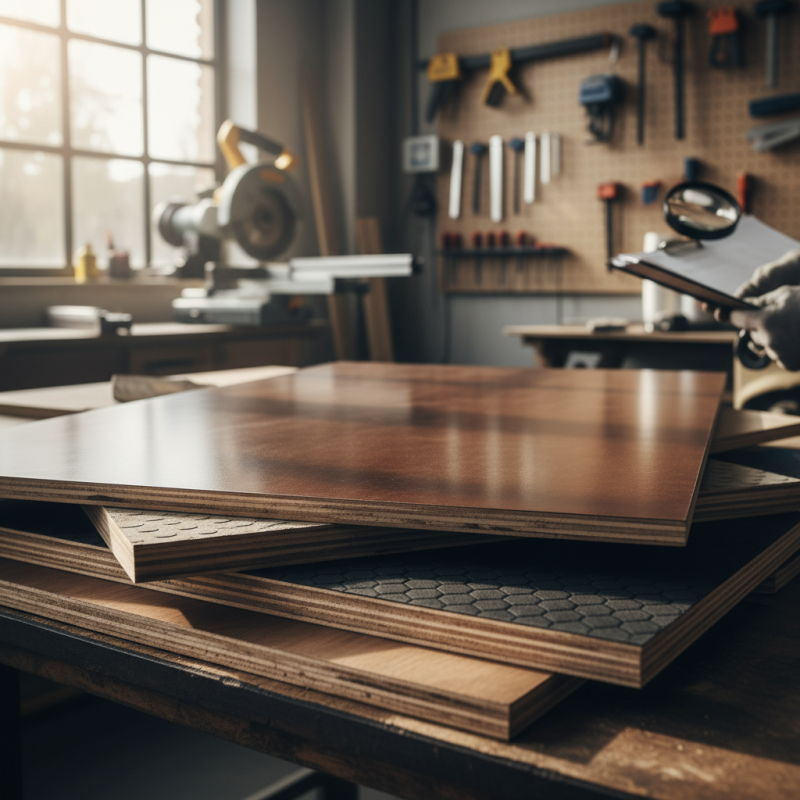
Phenolic plywood is a specialized wood product made by bonding layers of veneers with phenolic resin. This process creates a dense, durable material that is often used in demanding environments. The unique composition of phenolic plywood allows it to resist moisture, chemicals, and wear, making it ideal for construction and industrial applications.
Many experts note that phenolic plywood has higher strength compared to typical plywood. A report from the Plywood and Composite Products Association indicates that phenolic plywood can have a tensile strength exceeding 50% that of conventional plywood. This strength can lead to longer-lasting structures and reduced maintenance costs.
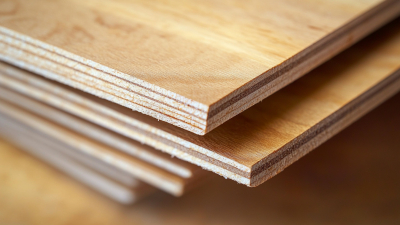
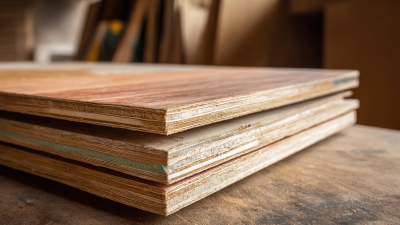
It's essential to consider the specific layers within the plywood. The outer layers, often made from hardwoods, contribute to appearance and durability. However, misalignment of these layers can compromise integrity. Attention to detail during production and application is crucial for performance. Understanding the right grade and thickness for your project can lead to more effective use. Careful assessments can sometimes reveal flaws, reinforcing the need for thorough selection processes.
Choosing the Right Phenolic Plywood for Your Projects
This chart illustrates key characteristics to consider when choosing phenolic plywood for various projects. Pay attention to thickness, density, bending strength, moisture resistance, and available surface finish options.
Key Characteristics of Phenolic Plywood for Diverse Applications
When selecting phenolic plywood for your projects, consider its key characteristics. This material is known for its durability and moisture resistance. It excels in outdoor applications, such as furniture and cladding. Its strength makes it ideal for heavy-duty uses in construction. The surface finish is smooth, providing a professional look for visible areas.
Tips: Always assess the project environment. Wet areas need high moisture resistance. Consider the load and durability requirement before choosing the thickness. Thicker sheets often provide better strength but increase weight.
Another significant characteristic is its ease of maintenance. Phenolic plywood can withstand wear while maintaining its appearance. However, be mindful of scratches or surface damage; they can affect its longevity. Cleaning often requires gentle methods to avoid compromising the finish.
Explore various grades of phenolic plywood. Each grade has unique properties that cater to specific project needs. Take your time to understand each option. Making an informed choice will lead to successful project outcomes. Aim for quality, as it affects both aesthetics and functionality.
Evaluating Performance: Strength, Durability, and Moisture Resistance
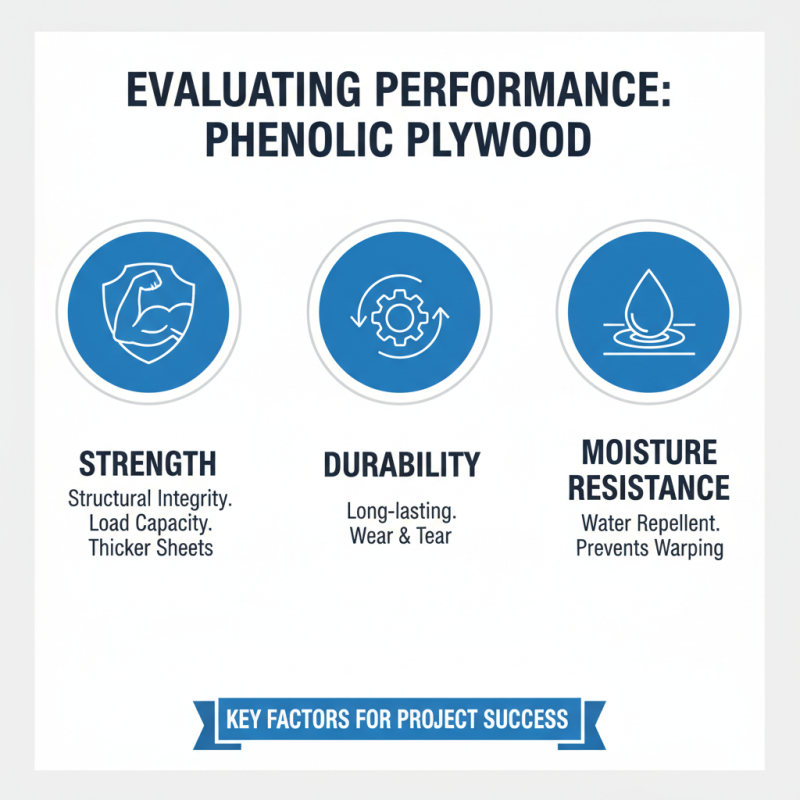
When selecting phenolic plywood for your projects, performance is critical. Focus on three main factors: strength, durability, and moisture resistance. Strength is essential for structural integrity. Look for plywood that meets the required load capacity for your application. Thicker sheets often provide better support.
Durability is another important aspect. Phenolic plywood contains layers with additives that enhance resistance to wear and tear. This is vital for high-traffic areas. Additionally, consider the expected life span of your project. A durable option may cost more upfront but can save money over time due to lower maintenance needs.
Moisture resistance plays a crucial role, especially in humid environments. Often, phenolic plywood has a waterproof adhesive that prevents delamination. However, not all products are created equal. Test the moisture resistance before making a decision. Remember, the wrong choice could lead to costly repairs. Reflect on your project's specific needs to make an informed choice. Choose wisely to ensure long-lasting results.
Selecting the Right Grade: Industry Standards and Certifications
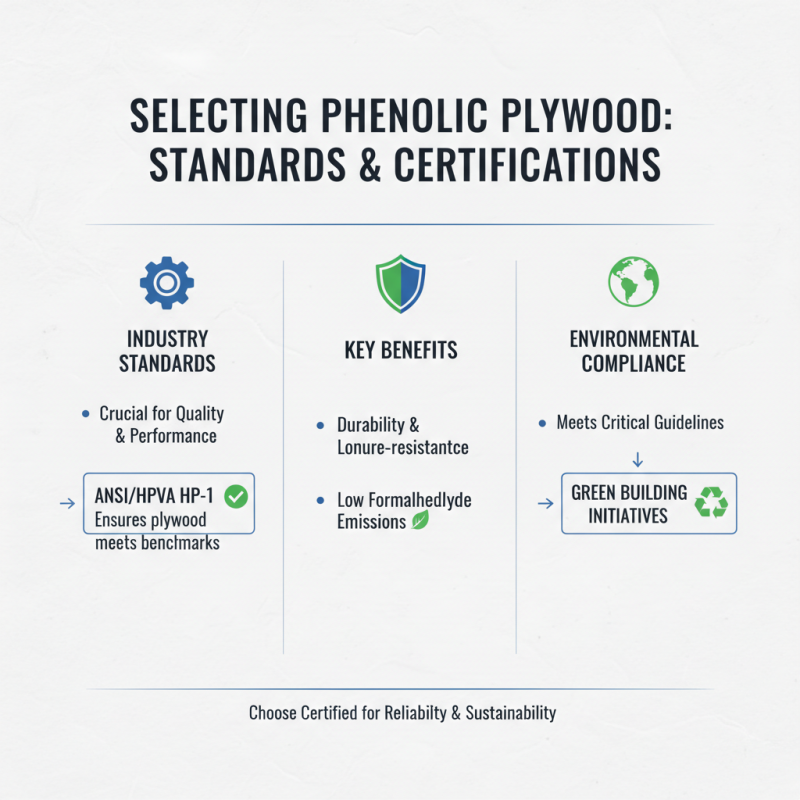
When selecting phenolic plywood, understanding industry standards is crucial. Key certifications, such as the ANSI/HPVA HP-1, ensure quality and performance. Compliance with these standards often reflects the material’s durability and resistance to moisture. ANSI reports indicate that compliant phenolic plywood typically exhibits low formaldehyde emissions, meeting critical environmental guidelines.
Various grades exist, each serving distinct applications. An example is the BWL grade, often favored for high-performance projects. This grade is constructed to withstand significant wear and tear. However, it's essential to recognize that not all grades may meet specific project needs. Misjudging the required grade can lead to costly renovations or failures.
Being familiar with these standards leads to better decision-making. It's easy to fall into the trap of selecting based on price rather than true quality. Many project managers may overlook the importance of long-term performance over initial costs. Reflecting on past experiences can help in making more informed choices in the future. Remember, quality often outweighs short-term savings.
Cost Considerations and Budgeting for Phenolic Plywood Projects
When budgeting for phenolic plywood projects, understanding costs is crucial. According to industry reports, phenolic plywood typically ranges from $40 to $90 per sheet, depending on thickness and finish. This price range can vary due to factors like supplier, location, and availability. It's important to account for these variations in your overall project budget. Higher-end options may offer better durability or resistance to moisture, which could justify the extra cost.
However, residential and commercial projects often wrestle with tight budgets. A study by the Plywood Association indicates that over 40% of construction projects exceed their initial budget due to material costs. This highlights the need for careful planning. Allocate funds not only for the plywood but also for related materials and labor. Factor in potential waste, as cuts and imperfections can lead to additional expenses.
Consider the long-term benefits of investing in quality phenolic plywood. Although it may appear more expensive upfront, its resistance to wear and tear could save money over time. Projects that require durable and water-resistant materials often find it more economical to choose phenolic options. Each project should ensure thorough research into material specifications and cost comparisons to achieve both functionality and budget adherence.
How to Choose the Right Phenolic Plywood for Your Projects? - Cost Considerations and Budgeting for Phenolic Plywood Projects
| Plywood Type |
Thickness (mm) |
Cost per Sheet ($) |
Application Suitability |
Durability Rating |
| Standard Phenolic |
18 |
50 |
General Construction |
Medium |
| Fire Retardant Phenolic |
12 |
70 |
Fire-Resistant Applications |
High |
| Waterproof Phenolic |
15 |
65 |
Outdoor and Wet Environments |
Very High |
| High-Load Phenolic |
25 |
85 |
Heavy-Duty Applications |
Very High |
| Decorative Phenolic |
9 |
40 |
Interior Finishes |
Medium |