How to Choose the Best Flooring Plywood for Your Project?
Choosing the right flooring plywood can greatly impact your project’s success. Flooring Plywood is not just a functional element; it sets the tone for the entire space. With so many options available, decision-making can feel overwhelming.
Understanding the different types of plywood is essential. Each type comes with its own advantages and limitations. It’s crucial to consider factors like durability, moisture resistance, and appearance. These elements significantly affect both the performance and aesthetic appeal of your flooring.
Reflect on your specific needs before making a choice. Consider the environment, foot traffic, and the room's use. Mistakes in this selection process can lead to costly repairs or undesirable outcomes. Investing time in research will pay off in the long run, ensuring your project thrives. Remember, selecting Flooring Plywood is an important step that demands careful thought and consideration.
Understanding Different Types of Flooring Plywood Available on the Market
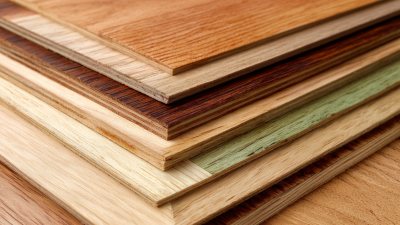
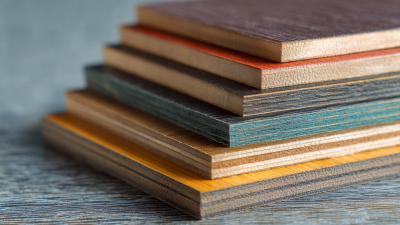
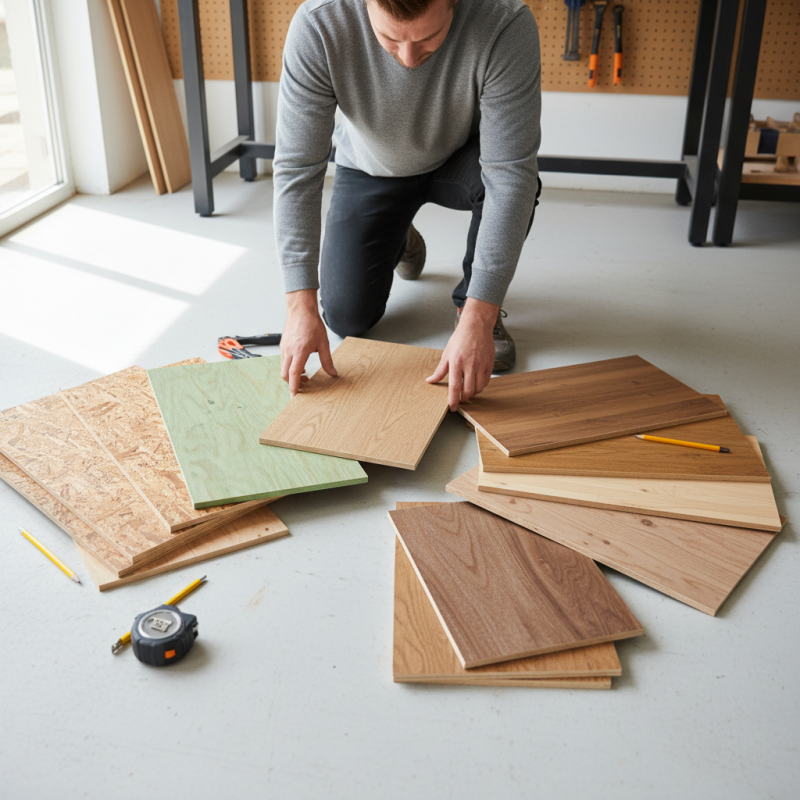
When choosing flooring plywood, understanding the different types is crucial. The market offers various plywood products, each with unique characteristics. Common types include CDX, ACX, and Birch plywood. CDX is often used for exterior projects due to its water-resistant adhesive. ACX, with its sanded face, provides a smoother finish for indoor applications. Birch plywood is known for its durability and appealing aesthetic.
Recent industry reports from the Plywood Association indicate that demand for high-grade plywood has risen by 15% over the last three years. This trend reflects a growing interest in sustainable materials. Many homeowners and builders now prefer eco-friendly options. Quality matters, and flaws in lower-grade products can lead to costly repairs.
Tip: Always consider your project’s specific needs before selecting plywood. Thickness plays a key role in performance; thicker boards provide better support and durability.
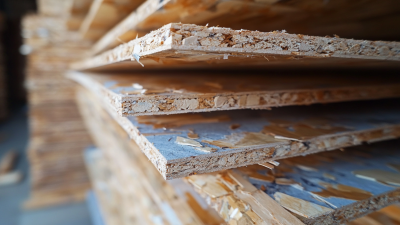
Additionally, evaluate the plywood's grade. Lower-grade options may contain knots and voids. Such imperfections can impact their long-term strength and appearance. Investing in higher-quality plywood can save money over time by reducing the need for replacements.
Evaluating Plywood Thickness and Its Impact on Your Flooring Project
When choosing flooring plywood, thickness plays a crucial role. The thickness affects durability, stability, and overall performance. Thicker plywood provides better support and improves longevity. However, it can also increase weight and cost. Finding the right balance is essential for your project.
Tips: Consider the types of loads the flooring will endure. For example, heavy furniture will require thicker plywood for adequate support. Be mindful of the subfloor conditions as well. Uneven surfaces might need additional thickness to compensate.
Also, think about installation methods. If you're using adhesives, you might prefer thinner options that conform better to the subfloor. On the contrary, if you intend to nail or screw down the plywood, thicker sheets can provide a more secure fit.
Carefully evaluate your project's specific needs. Understand that your choice can either enhance or undermine your flooring's performance. It’s worth taking time to reassess your options before making a final decision. Consider consulting professionals if you are unsure about the best approach.
Evaluating Plywood Thickness and Its Impact on Your Flooring Project
Assessing Strength and Durability: Key Features of Quality Flooring Plywood
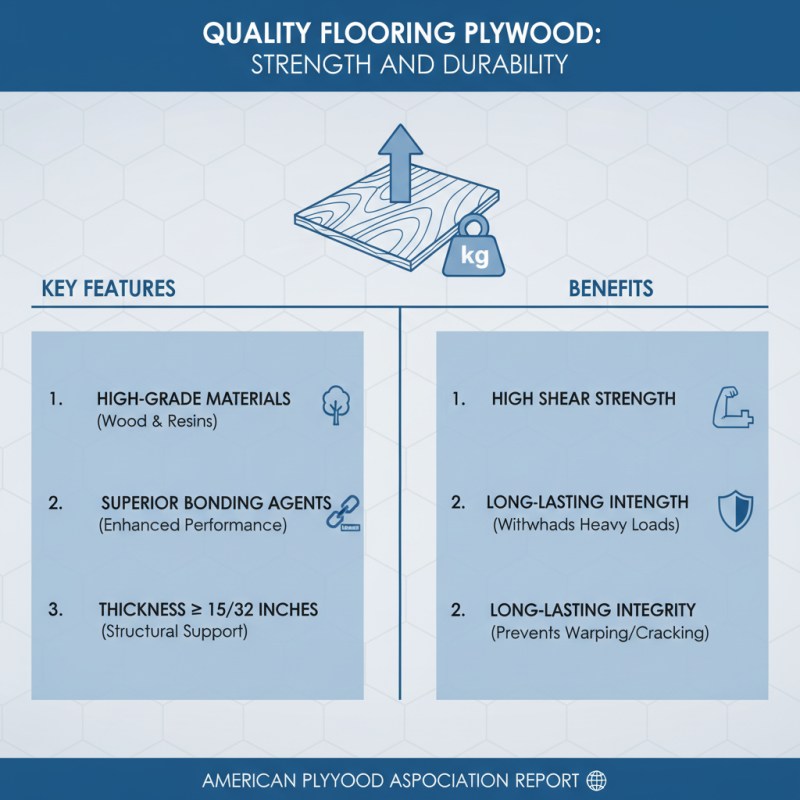
When selecting plywood for flooring, strength and durability should be your top priorities. Quality flooring plywood often features high-grade materials and bonding agents, which enhance its performance over time. A report by the American Plywood Association indicates that plywood with a thickness of at least 15/32 inches can provide necessary support for various flooring applications. Choosing a plywood with high shear strength ensures it can withstand heavy loads without compromising structural integrity.
Consider the type of wood used in the plywood. Hardwoods like oak and maple typically offer better durability and resistance to wear compared to softwoods. The adhesive used in the layers also plays a crucial role. Water-resistant adhesives are preferred for areas prone to moisture, extending the lifespan of the flooring. According to industry standards, plywood should ideally have a minimum of 5 plies for greater stability.
Tip: Always inspect the surface of the plywood for any visible defects. Even minor flaws can lead to severe issues later on. It's wise to source materials from reputable suppliers to guarantee quality. Remember that not all suppliers provide detailed information about their products. If available, consult technical data sheets to ensure you are making a well-informed decision.
Considering Environmental Factors: Moisture Resistance and Treatment Options
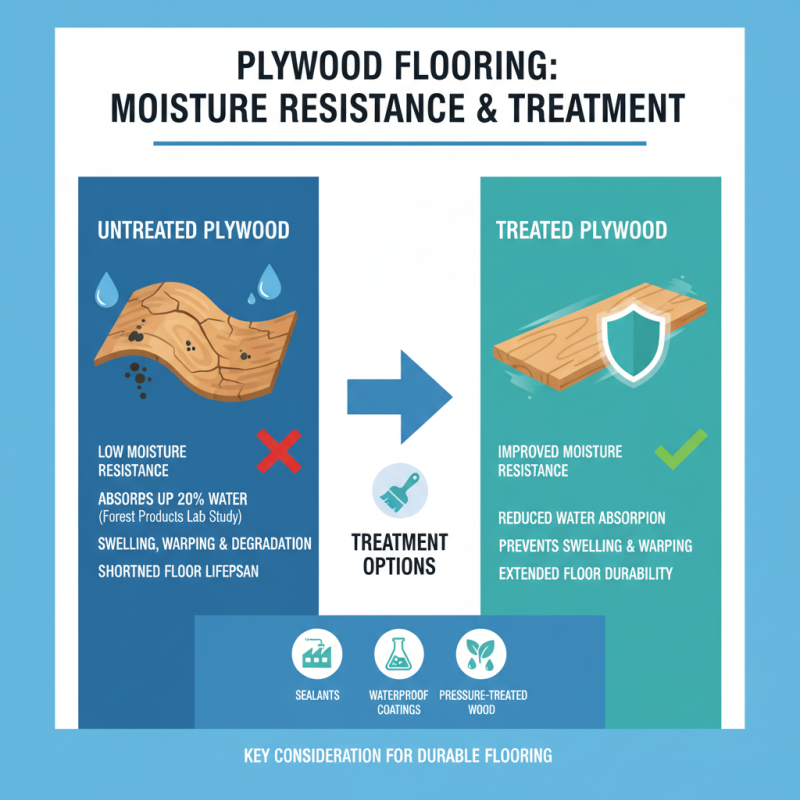
When selecting plywood flooring, environmental factors play a crucial role. Moisture resistance is a key consideration. In many projects, rising humidity levels can lead to wood swelling, warping, and eventual degradation. According to a study published by the Forest Products Laboratory, untreated plywood has limited moisture resistance, often absorbing up to 20% of its weight in water. This absorption can significantly affect the durability of the flooring.
To combat moisture issues, various treatment options are available. Pressure treating with chemical preservatives can enhance plywood’s ability to withstand damp conditions. A report from the American Plywood Association indicates that pressure-treated plywood can last up to three times longer in humid environments compared to untreated varieties. However, treating plywood is not a one-size-fits-all solution. Different treatments may alter the wood's appearance and performance characteristics.
It's essential to evaluate the specific requirements of your project. If a project involves routine exposure to moisture, it may warrant additional protective measures. Some common options include sealants or coatings designed specifically for plywood. Understanding these nuances allows for informed decision-making, ensuring the foundation of your flooring project is not only solid but also sustainable. Reflect on these factors; they significantly impact long-term performance.
Budgeting for Your Project: Cost Considerations When Choosing Plywood
When budgeting for your flooring plywood project, consider the cost variations across different plywood types. According to industry reports, standard plywood generally costs between $15 to $50 per sheet, depending on thickness and quality. Higher-grade plywood, such as marine or exterior-grade options, can range from $60 to $100.
Material quality significantly impacts durability and installation costs. Cheaper options may seem appealing initially, but they often require more maintenance. Low-grade plywood can lead to issues like warping and delamination over time. Investing in quality materials might save you money in the long run.
**Tip:** Always account for extra sheets. Unexpected cuts and damages can lead to additional costs.
Consider sourcing local plywood to reduce shipping costs. Transportation and delivery fees can add considerable expenses to your project. Assess local suppliers for better pricing and availability. Balance quality with affordability to achieve the best results.
**Tip:** Explore bulk purchase discounts. Some suppliers offer lower rates for larger orders, potentially improving your budget.
How to Choose the Best Flooring Plywood for Your Project? - Budgeting for Your Project: Cost Considerations When Choosing Plywood
| Plywood Type |
Thickness (inches) |
Cost per Sheet ($) |
Best Uses |
| Softwood Plywood |
3/4 |
40 |
Flooring, Furniture |
| Hardwood Plywood |
1/2 |
60 |
Cabinetry, High-End Furniture |
| Marine Plywood |
5/8 |
100 |
Boat Building, Outdoor Projects |
| OSB (Oriented Strand Board) |
3/4 |
25 |
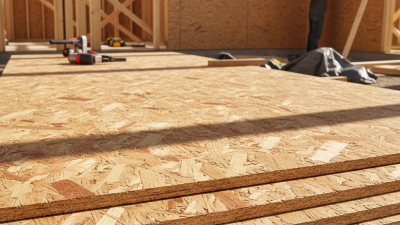
Sheathing, Temporary Flooring |
| Exotic Hardwood Plywood |
1/4 |
120 |
Decorative Surfaces, High-End Projects |