Top 10 Benefits of Using OSB Sheathing for Your Projects?
In the construction industry, OSB sheathing has gained significant traction due to its versatility and durability. According to the Engineered Wood Association, OSB sheathing accounts for approximately 80% of the sheathing market in North America. This growing preference highlights the material's reliability and strength for various building applications.
OSB sheathing offers numerous advantages that enhance building performance. Its low cost and availability make it a practical choice for both contractors and DIY enthusiasts. Furthermore, studies have shown that OSB can perform comparably to plywood in terms of moisture resistance and load-bearing capabilities. However, the perception of OSB’s quality sometimes raises questions.
As we explore the top benefits of using OSB sheathing, it’s essential to consider both its advantages and limitations. While many builders praise its efficiency, some may still hesitate due to prior experiences or misconceptions. A thoughtful analysis can help in making informed decisions while embarking on construction projects.
Advantages of OSB Sheathing in Structural Integrity and Stability
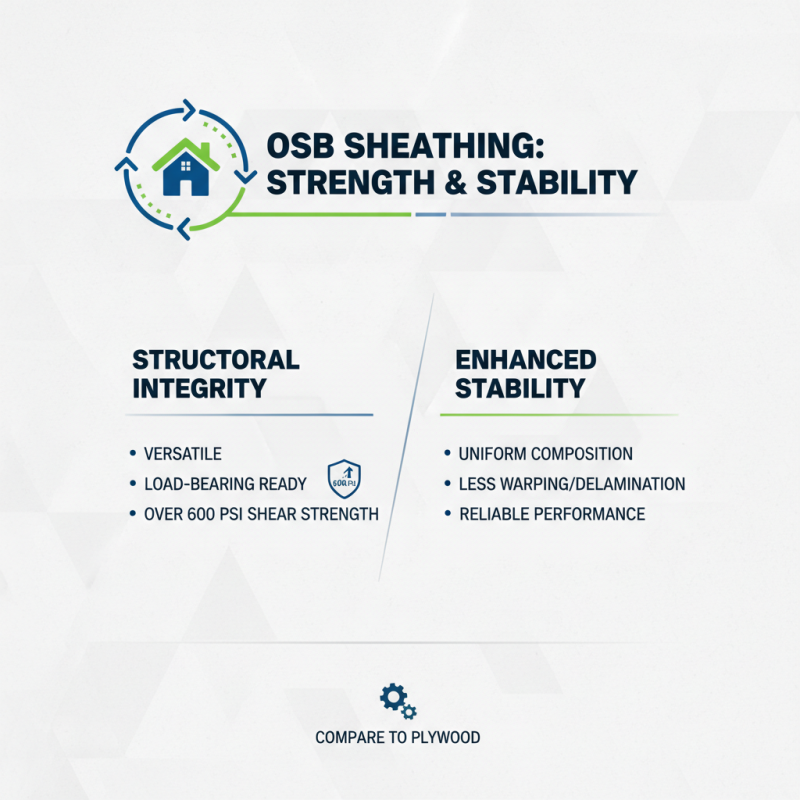
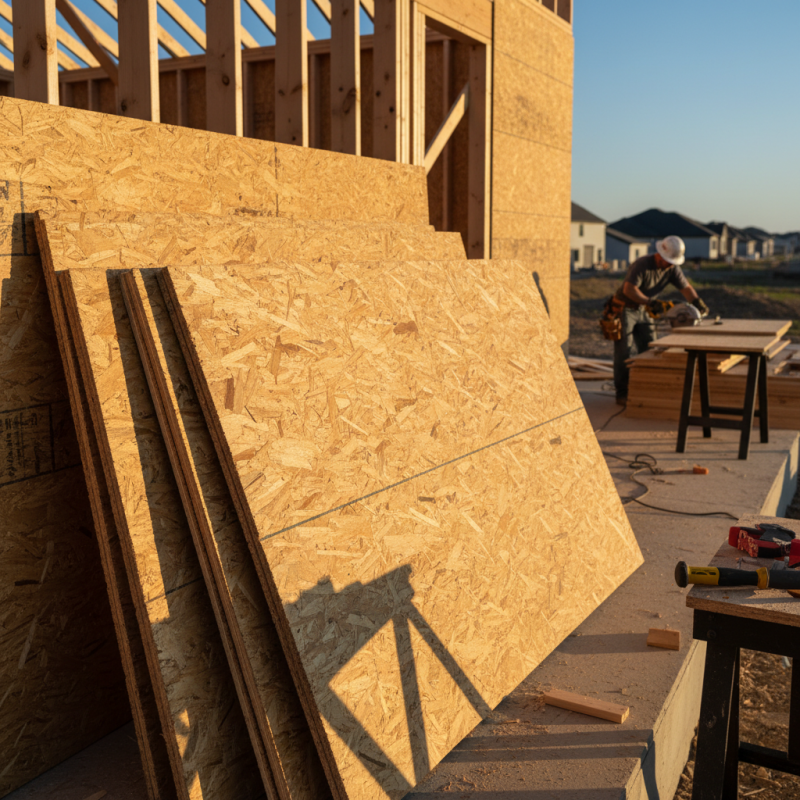
OSB sheathing, or oriented strand board, has become increasingly popular in construction. Its structural integrity and stability make it an excellent choice for various projects. Reports indicate that OSB can achieve over 600 psi in shear strength, making it a reliable material for load-bearing applications. This level of strength is comparable to plywood, providing builders with flexibility and confidence.
One significant advantage of OSB is its consistent performance in a variety of environmental conditions. Studies show that when properly treated, OSB resists moisture and maintains structural stability. This resistance can prevent costly repairs due to water damage. Additionally, OSB is often more cost-effective than traditional materials, making it a practical choice for budget-conscious projects.
Tips: Ensure proper ventilation during the installation of OSB to reduce moisture build-up. Always check local building codes regarding OSB usage to maintain compliance. While OSB has many benefits, its reliance on synthetic adhesives may raise concerns about indoor air quality. Ensure you select OSB rated for low emissions to safeguard health.
Cost-Effectiveness of OSB Sheathing for Construction Projects
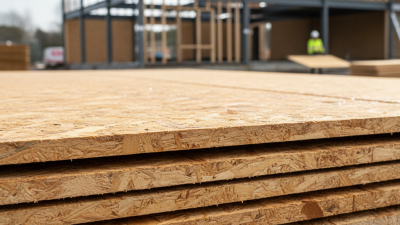
OSB sheathing is known for its cost-effectiveness in various construction projects. It offers a balance of quality and affordability that many builders appreciate. This engineered wood product provides strength and durability, making it suitable for walls, roofs, and floors. The lower price point compared to plywood allows for significant savings, especially in large-scale projects.
Using OSB sheathing may present some challenges, however. Its moisture sensitivity could lead to swelling or warping if not properly protected. Builders must also consider that OSB has a different aesthetic finish than other materials. Choosing the right finish or covering can mitigate this concern. Keeping these factors in mind, OSB can still be an excellent choice when budget constraints are in play.
When estimating project costs, OSB sheathing also reduces waste due to its efficient manufacturing process. This efficiency can positively impact overall project timelines, enabling quicker completion. With careful handling and proper installation techniques, the benefits of OSB sheathing far outweigh its potential downsides. Its affordability and practicality make it a solid choice for many construction needs.
Environmental Benefits of Using OSB Sheathing Over Other Materials
OSB sheathing offers various environmental benefits that make it a compelling choice for construction projects. Made from sustainably sourced wood strands, OSB utilizes fast-growing trees, reducing the strain on old-growth forests. This production method supports responsible forestry practices. Moreover, OSB typically has a lower carbon footprint compared to traditional plywood, which often uses more resource-intensive methods.
Another crucial aspect is the recyclability of OSB. At the end of its life cycle, OSB can be repurposed or recycled, minimizing landfill waste. This versatility contributes to a more sustainable building approach. Furthermore, OSB's manufacturing process usually involves fewer toxic chemicals, making it a healthier option for indoor air quality. It's important to weigh these benefits against potential drawbacks. Not every project may suit OSB, and its performance under specific conditions might vary.
Choosing the right material should involve careful consideration. While OSB is cost-effective, it may not offer the same moisture resistance as other options. Understanding its limitations is essential to avoid future challenges. By being mindful of these factors, builders can make informed choices that positively impact both the environment and their projects.
Ease of Installation: Practicality of OSB Sheathing in Construction
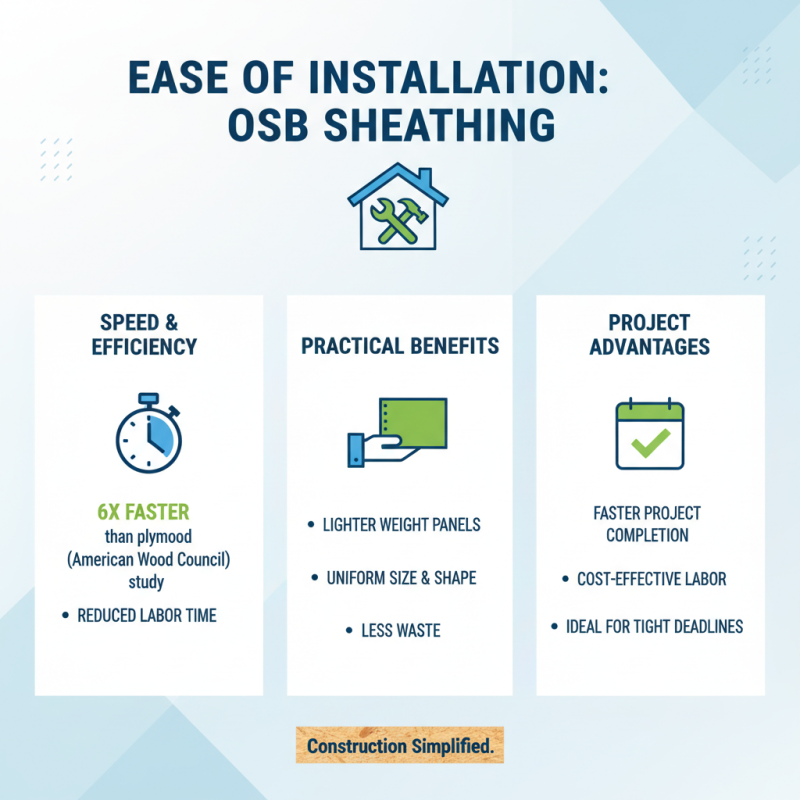
OSB sheathing has become a popular choice in construction due to its ease of installation. When using OSB, workers often report reduced time spent on the job. A study by the American Wood Council noted that proper handling allows installation to be six times faster than traditional plywood. This efficiency is a game-changer, especially in time-sensitive projects.
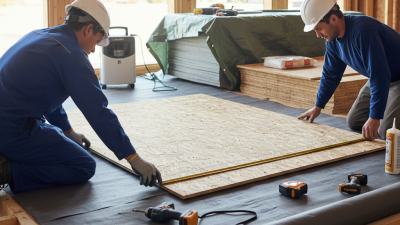
Installation of OSB does not require specialized tools. Most carpenters can work with standard equipment. The lightweight nature of OSB makes it easy to transport and maneuver. In tight spaces or elevated areas, this aspect proves invaluable. Safety is often enhanced as workers can navigate with less risk of strain or injury.
However, builders must be cautious. OSB can absorb moisture, which may lead to swelling if not sealed properly. This concern highlights the importance of selecting appropriate coatings. Ignoring this step can result in project delays and quality issues. Ensuring proper installation techniques and moisture protection is essential for leveraging the benefits of OSB sheathing effectively.
Versatility of OSB Sheathing for Various Applications and Design Needs
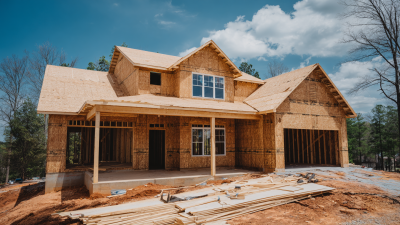
OSB sheathing has become a popular choice in construction due to its versatility. It suits various applications, from residential homes to commercial buildings. A report from the Forest Products Laboratory indicates that OSB can provide similar structural integrity to plywood while being more cost-effective. This affordability does not compromise its performance. Many architects and builders appreciate its ability to adapt to different design needs.
One notable feature of OSB sheathing is its ease of installation. The large panels cover more area with fewer joints, reducing the complexity of the building process. According to a study by the APA – The Engineered Wood Association, projects utilizing OSB can see installation time reductions of up to 15%. However, some contractors point out challenges. For instance, OSB may absorb moisture if not properly sealed, leading to potential warping. It requires careful consideration under varying climatic conditions, emphasizing the need for proper installation techniques.
The design flexibility of OSB sheathing allows for innovative architectural styles. Its smooth surface can be easily finished, providing a canvas for different aesthetic choices. However, some projects may require specialized treatments to enhance its appearance and durability. In conclusion, while OSB sheathing offers many advantages, understanding its limitations is crucial for successful implementation in diverse construction projects.
Top 10 Benefits of Using OSB Sheathing for Your Projects
| Benefit |
Description |
| Cost-Effective |
OSB sheathing is generally more affordable than plywood, making it a budget-friendly option for construction projects. |
| High Strength |
OSB provides exceptional strength and load-bearing capacity, ideal for structural support. |
| Moisture Resistance |
It is treated to resist moisture, reducing the risk of warping and mold growth. |
| Versatility |
Suitable for a wide range of applications, including roofs, walls, and floors in both residential and commercial buildings. |
| Easy to Work With |
Can be easily cut and shaped to fit various design needs, making it user-friendly for contractors. |
| Sustainable |
Manufactured from fast-growing trees, OSB is considered a more environmentally friendly option compared to other materials. |
| Sound Insulation |
Helps in reducing noise transmission, contributing to a quieter living environment. |
| Availability |
Widely available in various sizes and thicknesses, making it easy to source for any project. |
| Fire Resistance |
When treated, OSB can have enhanced fire-resistant properties, adding to safety in construction. |
| Excellent Adhesion |
Better adhesive bonding compared to plywood, ensuring superior performance in composite construction. |